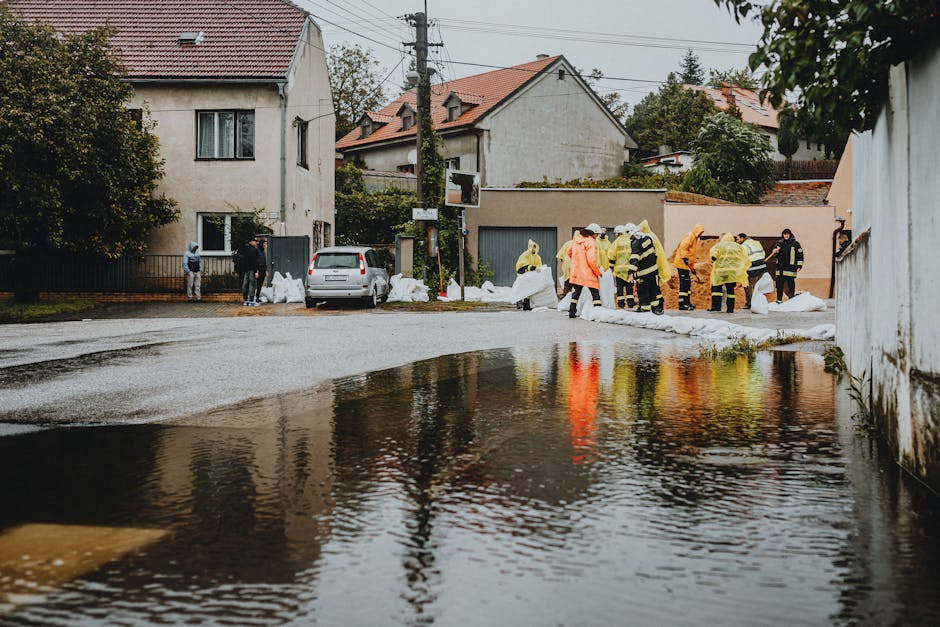
Flooded basement cleanup solutions for SW15 homes
Posted on 18/06/2026
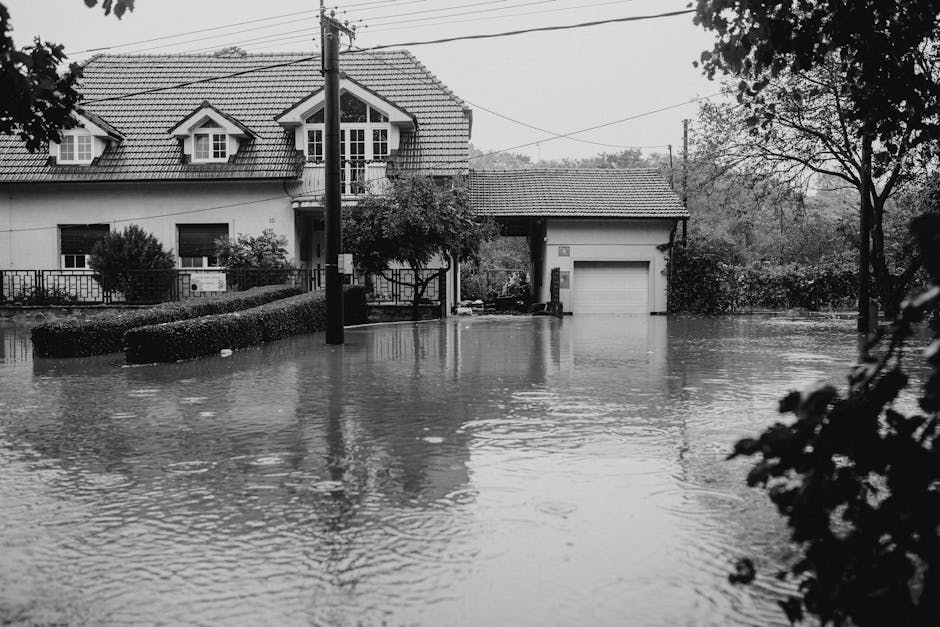
Flooded Basement Cleanup Solutions for SW15 Homes: A Practical Guide for Fast Recovery
If you are standing in a damp downstairs room in SW15 and wondering where to start, you are not alone. A flooded basement can turn a normal day into a scramble: water on the floor, the smell of wet plaster, furniture too heavy to move, and the nagging worry that hidden damage is already spreading. This guide to Flooded basement cleanup solutions for SW15 homes walks you through what to do, what to avoid, and how to get the space dry, safe, and usable again without making the situation worse.
Truth be told, the first few hours matter most. Get the wrong move early on, and you may end up with lingering odours, damaged flooring, or mould later on. Get the sequence right, and you give your home a much better chance of a clean recovery. We will cover immediate actions, drying methods, common mistakes, when professional support makes sense, and how to think about carpet, furniture, and mould risk in a typical Putney basement or lower-ground room.
Why Flooded basement cleanup solutions for SW15 homes Matters
Basements and lower-ground spaces in SW15 homes can be particularly unforgiving once water gets in. They often contain carpet, stored belongings, electrical points, old plaster, timber skirting, and sometimes a mix of finished and unfinished surfaces. That combination makes water damage more complicated than a simple mop-up. If the room is used as a snug, utility area, guest room, or storage space, the disruption can ripple through the whole home.
Why does that matter so much? Because standing water is only the obvious problem. The real damage often happens afterwards: moisture trapped under floor coverings, damp in wall cavities, swollen MDF units, and musty smells that hang around long after the floor looks dry. In a London property, especially where rooms sit below street level, moisture can also travel into adjoining areas if it is not dealt with promptly. You can clean the surface and still miss what is lurking underneath. Annoying, yes. Common, unfortunately, also yes.
For SW15 homeowners, speed and sequence are everything. If the flooding is caused by heavy rain, a blocked drain, or plumbing failure, the cleanup approach changes slightly, but the goal stays the same: remove the water safely, dry the structure thoroughly, and check for hidden contamination. That is what separates a temporary inconvenience from a long repair cycle.
Expert summary: the best flooded basement cleanup is not just about removing water. It is about preventing trapped moisture, structural damage, bad odours, and mould before they take hold.
How Flooded basement cleanup solutions for SW15 homes Works
Effective basement cleanup follows a practical order. First, the source of water is stopped or isolated. Then the visible water is removed. After that comes careful inspection, drying, cleaning, and monitoring. If you skip the middle, the space may seem fine for a day or two, then start smelling damp. That is usually the sign something was left behind.
The method used depends on the type of water. Clean water from a burst pipe is far less concerning than water mixed with soil, sewage, or outside runoff. In plain English, the dirtier the water, the more cautious the cleanup needs to be. Floodwater can carry debris, bacteria, and contaminants, so soft furnishings, carpets, and porous items may need deeper treatment or removal.
In a typical SW15 home, the process often includes:
- making the area safe and switching off electricity if needed
- removing standing water with pumps, wet vacuums, or absorbent methods
- lifting movable items to prevent staining and warping
- extracting water from carpets and underlay where possible
- air-moving and dehumidifying the room until moisture levels fall
- cleaning and disinfecting suitable hard surfaces
- checking for mould, odours, and hidden damp spots over time
If your basement contains carpets, rugs, upholstered items, or fabric-lined storage, a deeper clean may be needed afterwards. For households that already use carpet cleaning in Putney or broader deep cleaning support, it can make sense to pair cleanup with targeted odour and fibre treatment once the structure is safe and dry.
Key Benefits and Practical Advantages
The biggest benefit is simple: a faster return to normal life. But there are a few more practical wins worth spelling out.
- Less long-term damage: the quicker water is removed, the less likely you are to see warped boards, lifted carpet edges, or flaking plaster.
- Lower mould risk: drying properly helps prevent the stale, earthy smell that usually means moisture has been hanging around too long.
- Better indoor air quality: a damp basement can affect the air in the rest of the house. That moist smell has a way of travelling upstairs, doesn't it?
- More salvageable belongings: furniture, boxes, and textiles are more likely to be saved if they are removed and dried promptly.
- Less disruption later: a thorough first response reduces the need for repeat visits, patch repairs, or re-cleaning.
There is also peace of mind. Once the visible water is gone, many homeowners assume the job is done. But a good cleanup gives you more than a dry floor; it gives you confidence that the room is genuinely stable again. That matters if the space is used for storage, hobbies, a utility area, or as part of a rental property where turnaround time counts.
Who This Is For and When It Makes Sense
This guidance is for SW15 homeowners, landlords, tenants, and property managers dealing with basement water intrusion, lower-ground dampness, or a room that has taken on water after heavy rain or a plumbing issue. It is especially relevant if the space contains carpet, soft furnishings, fitted storage, or electrical fixtures.
It makes sense to act quickly if you notice any of the following:
- water pooling after rainfall or a storm
- a burst pipe, leaking appliance, or overflow in a downstairs room
- a persistent musty smell after a small flood
- bubbling paint, soft skirting, or damp patches on walls
- carpet that still feels clammy the next morning
- dark speckling or patchy growth on surfaces, which can indicate mould
For landlords and lettings teams, timing is especially important because moisture can slow reoccupation and make end-of-tenancy cleaning more complicated. If you are dealing with a property turnover or a room that must be ready for inspection, coordinating with a service such as end of tenancy cleaning in Putney can be useful once drying is complete.
And if the basement forms part of a larger home-cleaning plan, it may be worth reviewing broader support options like one-off cleaning in Putney or domestic cleaning in Putney when the emergency is over and the house needs a proper reset. That final stage is often the bit people underestimate.
Step-by-Step Guidance
Here is the practical sequence to follow. Keep it calm and methodical. No heroic dashing around with towels for an hour, even if that is the instinct.
- Make the area safe. If water is near plug sockets, appliances, or fuse boxes, stay out until power is isolated by a competent person. If you are unsure, do not take risks.
- Stop the source if possible. Turn off the supply if the flood is from plumbing. If it is external water, focus on preventing further entry where safe to do so.
- Remove anything valuable or vulnerable. Take out boxes, cushions, small furniture, rugs, papers, and electronics. Lift items onto dry surfaces upstairs if you can do that safely.
- Extract the standing water. Use a wet vacuum, pump, or suitable water-removal method. For larger incidents, this stage usually needs professional equipment.
- Lift floor coverings where needed. Carpet and underlay can hold a surprising amount of moisture. If left down too long, they become a problem rather than a surface.
- Start drying immediately. Use air movement and dehumidification. Open windows only if outdoor conditions are dry enough to help; in humid weather, they may do more harm than good.
- Clean hard surfaces carefully. Wipe and sanitise areas that can be cleaned safely, such as tile, sealed flooring, and washable surfaces.
- Inspect hidden spaces. Check corners, behind stored items, under stairs, and around skirting. The back of the room is often where trouble hides.
- Monitor for smell and staining. If the room still smells damp after drying, or if stains reappear, there may be trapped moisture deeper in the structure.
- Arrange follow-up cleaning if required. Once the structure is dry, consider focused carpet or upholstery treatment to remove residues and odours.
A practical note: if the basement has been underwater for more than a short while, or if the water came from outside rather than a clean internal source, the cleanup becomes less DIY-friendly. That is where a structured response and specialised drying can save time and probably a fair bit of grief.
Expert Tips for Better Results
These are the little things that make a genuine difference.
- Dry from the inside out. Do not assume a floor surface is dry just because it feels less wet underfoot. Moisture can sit beneath the top layer for days.
- Watch the underlay. Underlay is often the hidden culprit after a carpet flood. If it stays damp, the smell comes back.
- Keep a simple log. Note when water entered, when drying began, and what was removed. It helps if you need to explain the issue to an insurer, landlord, or contractor.
- Use airflow intelligently. A fan pointed the wrong way can just move damp air around. Aim for steady, directed circulation.
- Be cautious with bleach. It is not a cure-all, especially on porous or coloured surfaces. Used badly, it can worsen stains or damage materials.
- Handle odours early. Damp smells often mean hidden residue. The sooner carpets and soft furnishings are treated, the easier they are to save.
In our experience, homeowners often wait too long before dealing with the room they cannot immediately see. A cellar corner, a storage cupboard, or the carpet under a sofa can be the real source of problems. It is never the obvious place, of course. That would be too easy.
If the flood has affected carpeted rooms or adjoining spaces, you may want to read more about related fabric and floorcare issues through odour removal and deep fibre cleaning guidance. While the cause is different, the principle is similar: trapped moisture and residues need proper extraction, not just a surface wipe.
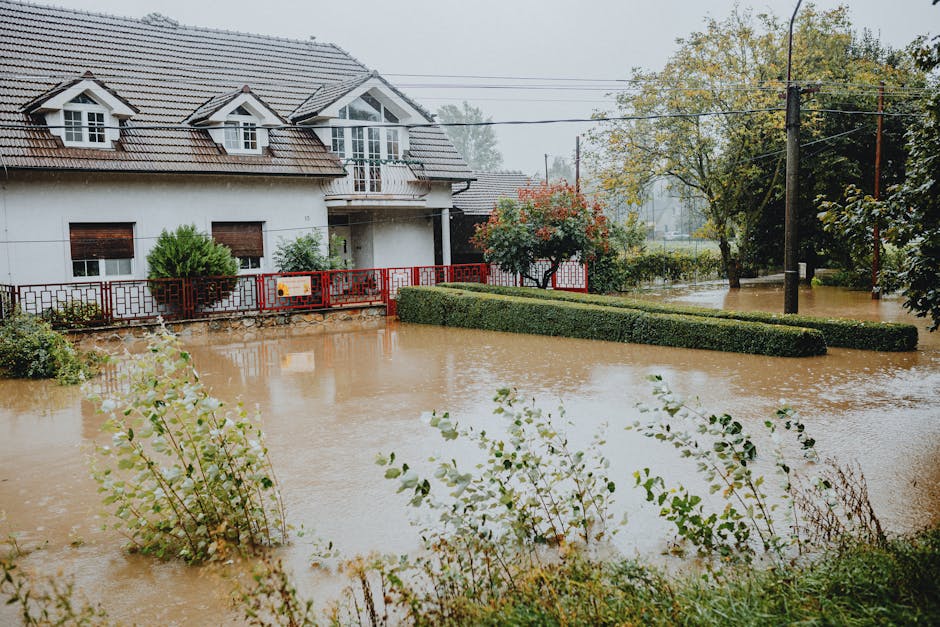
Common Mistakes to Avoid
These mistakes are common because, well, most people are dealing with stress and are just trying to get the place back to normal. Still, they can cause avoidable damage.
- Leaving carpet in place too long: even if it looks okay on top, the underlay may already be saturated.
- Using heaters too aggressively: strong heat can trap moisture in walls and warp materials before they dry evenly.
- Ignoring smell: a damp smell is not "just the flood". It is usually a sign of lingering moisture or contamination.
- Putting furniture back too soon: this can trap wet patches and leave rings, mould spots, or wood stains.
- Forgetting hidden voids: under stairs, behind storage, and along skirting are easy places to miss.
- Cleaning contaminated water like plain water: if the flood involved outside runoff or foul water, the cleanup needs a more careful approach.
A small but costly mistake is assuming the problem is solved once the visible floor is dry. That is often when people relax, and then two weeks later they notice a smell or a patch of mould. Not ideal, to put it mildly.
Tools, Resources and Recommendations
You do not need a warehouse of gear, but having the right tools makes the process much smoother.
| Tool or Resource | Best Use | Why It Helps |
|---|---|---|
| Wet vacuum or water extractor | Removing standing water | Clears liquid faster than towels or mops alone |
| Dehumidifier | Drying the room and air | Helps reduce hidden moisture in walls and floors |
| Air mover or fan | Supporting airflow | Speeds evaporation when positioned properly |
| Moisture meter | Checking progress | Helps confirm whether materials are still damp |
| Protective gloves and footwear | Safe handling of wet debris | Useful when the water is dirty or the floor is slippery |
| Professional deep-clean support | Carpets, fabrics, and odours after drying | Useful when a normal clean will not remove residues |
If you are comparing wider home-cleaning support after the flood, the service pages at services overview and house cleaning in Putney can help you decide what fits the situation once the urgent drying work is done. For larger property portfolios or workspaces, office cleaning in Putney may also be relevant if water has affected a home office or mixed-use space.
One more practical tip: if you are collecting quotes, keep photos, measurements, and notes in one folder. It sounds boring, but during a stressful clean-up, a tidy record saves time and a lot of back-and-forth. Handy, really.
Law, Compliance, Standards, or Best Practice
Flood cleanup touches safety, health, and property responsibilities, so a careful approach matters. In the UK, the exact duties can vary depending on whether you are a homeowner, tenant, landlord, or managing agent, but some best practices are broadly sensible.
First, electricity and water should never be treated casually. If there is any risk around sockets, wiring, consumer units, or appliances, the area should be made safe before work continues. If contamination is suspected, the cleanup should be handled with appropriate protective measures and disposal practices. That is not just about neatness; it is about reducing health risk.
Second, insurers often expect reasonable steps to reduce further damage. That usually means acting quickly, keeping records, and not leaving the room in a wet state longer than necessary. If a landlord or tenant is involved, communication should be prompt and clear. No one enjoys paperwork after a flood, but it does help later.
Third, where mould risk is present, good ventilation, thorough drying, and cleaning of affected areas are standard best practice. The important part is avoiding overconfidence. A wall can seem stable while holding moisture inside it. This is why a measured, evidence-based approach works better than guesswork.
For customers who care about service reliability and clear working standards, it can also help to review a provider's public policies, such as health and safety policy, insurance and safety information, and terms and conditions. Those pages are not glamorous, sure, but they tell you a lot about how seriously a company treats risk and customer care.
Options, Methods, or Comparison Table
Not every flooded basement needs the same response. Here is a practical comparison of common approaches.
| Method | Best for | Strengths | Limitations |
|---|---|---|---|
| DIY mop-and-fan drying | Very small clean-water spills | Cheap, immediate, simple | Slow, easy to miss hidden moisture |
| Wet vacuum plus dehumidifier | Moderate internal leaks | Better water removal and drying control | May still leave moisture under flooring |
| Carpet lift and targeted drying | Carpeted basements or rooms with underlay | Improves salvage chances for flooring | More labour and equipment needed |
| Professional flood cleanup and drying | Dirty water, large areas, repeated damp, or mould risk | Faster, more thorough, better for hidden damage | Higher cost than doing it yourself |
The right choice depends on the scale of the incident and how much of the room is finished. A tiny leak onto a tiled floor is one thing. A basement with carpet, plasterboard, and stored furniture is another altogether. If you are unsure, err on the side of caution. It is usually cheaper to prevent deeper damage than to repair it after the fact.
Case Study or Real-World Example
Here is a realistic SW15 scenario based on the kind of problem people often face. A Putney homeowner notices water collecting along the edge of a lower-ground living room after a heavy downpour one Sunday evening. At first glance it looks like just a shallow puddle. By the next morning, the carpet is still damp, the base of a bookcase feels soft, and there is a faint earthy smell near the skirting.
Instead of waiting, they move boxes and furniture out of the room, isolate power in the affected area, and begin water extraction. The carpet is lifted in sections to let the underlay dry properly. After the structure is clear and safe, the room gets a deeper clean, and the carpet edges are treated for lingering odour. The difference is noticeable by the end of the week: no stale smell, no further spread, and no visible mould spots forming around the corners.
Now, if they had left the carpet down and just opened a window for two days, the outcome would likely have been worse. The smell would have settled in, and that soft, clammy patch by the wall might have turned into a much bigger repair. Small action, big difference. That is the point.
For homes near busy local routes or mixed residential blocks, it can be useful to consider how everyday foot traffic and layout affect cleaning access too. Related local guides like cleaning apartment layouts on Putney Wharf and cleaning tips for flat owners on Lower Richmond Road are helpful for thinking about access, drying, and practical cleaning in tighter living spaces.
Practical Checklist
Use this simple checklist when you are dealing with a flooded basement in SW15.
- Confirm the area is safe to enter
- Stop the water source if possible
- Switch off electricity to affected zones if needed
- Photograph the damage before moving items
- Remove furniture, boxes, and loose belongings
- Extract visible water
- Lift carpet or underlay if moisture is trapped
- Set up drying equipment
- Clean hard, washable surfaces carefully
- Watch for mould, staining, or persistent odour
- Arrange follow-up deep cleaning once dry
- Keep notes for insurance or property records
If you tick all of those boxes, you are in a much stronger position than most people after a flood. Not perfect, perhaps. But solid.
Conclusion
Flooded basement cleanup solutions for SW15 homes work best when they are fast, orderly, and honest about the risks. Remove water quickly, dry thoroughly, treat soft materials carefully, and do not ignore hidden damp just because the floor looks tidy. That is the difference between a short-term hassle and a long-running moisture problem.
For many Putney households, the real challenge is not the first puddle. It is what happens after the room seems to be fine. A proper cleanup protects your floors, furniture, and indoor air, while also giving you a calmer head when the next rainstorm rolls in. And in London, let's face it, there is always another rainstorm coming.
If you need help assessing a flooded room, planning the next step, or restoring carpets and furnishings after the water is gone, it makes sense to speak with a local cleaning team that understands SW15 homes and the practical realities of basement damage.
Get a free quote today and see how much you can save.
When the wet patch is finally gone and the room smells clean again, that relief is worth a lot. One careful step at a time, and the space comes back to you.