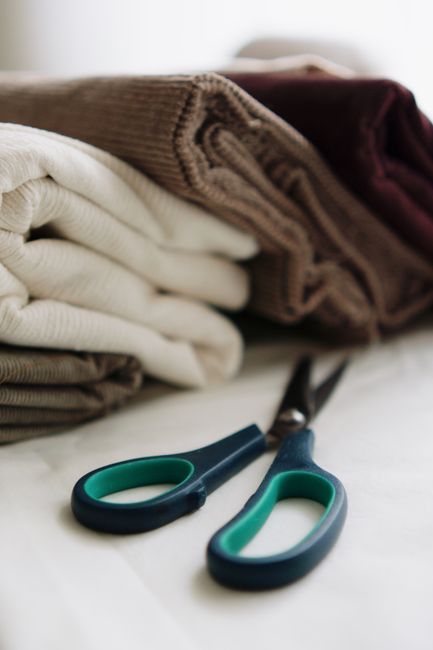
How Wandsworth Council handles bulky textile waste
Posted on 04/07/2026

If you have a battered sofa cover, a mattress topper, old curtains, bags of torn clothes, or other fabric-heavy items taking up space, you are probably trying to work out one simple thing: what does Wandsworth Council actually do with bulky textile waste, and what should you do first? The answer is more practical than people expect, but it depends on the item, the condition it is in, and whether it can be reused, recycled, or needs specialist collection. This guide breaks it down clearly, with the local context you need, without the jargon.
For many households in SW15 and the wider borough, bulky textile waste shows up at the worst possible time: before a move, after a clear-out, or when a cupboard finally gives up and spills old bedding everywhere. Let's be honest, it is rarely the glamorous part of home maintenance. But handling it properly matters for cost, convenience, cleanliness, and avoiding missed collection rules. If you are already planning a bigger clear-out, you may also find our guide to Wandsworth Council rules for Putney house clearances useful, because textiles are often just one part of a larger decluttering job.
In this article, you will learn how bulky textile waste is usually managed, what counts as textile waste, where reuse and recycling fit in, what mistakes commonly cause problems, and how to get the job done with less hassle. There is also a step-by-step checklist near the end, because sometimes you just want the quick route. Fair enough.
Why how Wandsworth Council handles bulky textile waste matters
Bulky textile waste sounds narrow, but in real life it usually sits inside a much bigger disposal problem. A flat clear-out, end-of-tenancy turnover, or home renovation can generate bags of old duvets, stained curtains, broken laundry baskets with fabric liners, worn rugs, and soft furnishings that are too large for normal household recycling. If those items are not separated properly, they can end up in the wrong stream, which means less reuse, more landfill, and a more frustrating collection process for you.
There is also a cleanliness angle. Textiles can hold dust, pet hair, moisture, and odours for a long time. Anyone who has moved a damp stack of bedding from a cupboard knows the smell. It is not subtle. When a council manages bulky textile waste well, it gives residents a clearer route for clearing space safely while improving the chance that reusable items stay in circulation. That matters in a borough where many homes are flats, terraces, and converted properties, where storage is limited and bulky items become a genuine nuisance fast.
On a practical level, the council's approach matters because residents want three things: a simple process, predictable expectations, and a way to avoid unnecessary trips to the tip or the wrong collection booking. If you are clearing textiles during a broader home refresh, pairing the disposal plan with spring cleaning support in Putney can make the whole job feel less chaotic. One task leads neatly into the next. That is the dream, anyway.
There is a local benefit too. A borough-wide system helps reduce fly-tipping pressure, especially around communal bins, alleys, and shared entrances. Textile waste left outside can attract complaints quickly. You do not want that awkward note on the front door, or worse, a collection failure because the items were set out incorrectly.
Key takeaway: Wandsworth Council's handling of bulky textile waste is most useful when you treat it as a sorting problem first and a disposal problem second. Reuse, recycling, and collection rules all depend on that order.
How how Wandsworth Council handles bulky textile waste works
In plain English, bulky textile waste is usually handled through one of three routes: reuse, textile recycling, or a bulky waste collection service when the items are no longer suitable for either. The right route depends on the item's condition. A clean, usable duvet cover is not treated the same way as a soaked mattress topper or a ripped armchair fabric panel.
Here is the basic logic. If textiles are clean and reusable, they should be kept out of residual waste wherever possible. If they are not reusable but are made from suitable textiles, they may be accepted in textile recycling streams or collection schemes. If they are bulky, heavily contaminated, or mixed with non-textile materials, they may need a specific bulky item disposal route. That is where residents often get stuck, because an item can be "soft" in one sense but "bulky" in another. A bean bag, for example, is textile-adjacent but not always treated like a simple clothing donation bag.
Wandsworth residents generally need to check whether the item is:
- clean and reusable
- dry but damaged and likely recyclable
- wet, mouldy, contaminated, or mixed with non-textile components
- too large to fit standard household disposal routes
That classification step saves time. It also reduces the chance of leaving something out for collection that is not accepted. If you live in a block or managed property, this matters even more. Shared bin stores are not forgiving places. One wrongly placed item can affect everyone.
If the textile item is part of a broader flat clear-out or end-of-tenancy job, the rules become even more relevant. A single room of clutter can turn into a whole logistical puzzle, which is why many people choose to combine disposal with a deeper property reset. Our guide to end of tenancy cleaning in Putney is helpful if you are clearing a rental and need the place to look properly finished, not just empty.
It is also worth remembering that some bulky textile items are not really textile waste alone. Curtains with curtain poles, bed bases with fabric covers, or upholstered furniture with mixed materials may need separate treatment. The textile part might be recyclable, but the frame or filling might not be. This is the bit that trips people up. The item looks simple until you start pulling it apart and realise it is a small engineering project.
Key benefits and practical advantages
When bulky textile waste is handled well, the advantages are immediate and surprisingly satisfying. You clear space, reduce clutter, keep usable items in circulation, and lower the chance of disposal headaches. That sounds basic, but anyone who has had to live around stacked bags of old bedding for a week knows how much mental relief comes from getting rid of them properly.
The main benefits are straightforward:
- More space at home - large textiles take up far more room than most people expect.
- Less contamination risk - dry, separated textiles are easier to process than mixed waste.
- Better reuse potential - usable items can often be diverted away from disposal.
- Cleaner shared areas - this matters in flats and terraces with communal access.
- Fewer collection problems - sorted items are less likely to be refused.
There is a financial angle too. Even if a textile item eventually ends up in a paid bulky collection route, separating reusable pieces first can reduce the amount you need to dispose of. Fewer items, fewer problems, less stress. Simple. In some homes, this turns into a useful reset moment: old curtains out, dust removed, carpets cleaned, and the room suddenly feels lighter. If that is your situation, our deep cleaning Putney page may be relevant when you are ready to tidy the whole space after the clear-out.
For landlords and tenants, the benefits are even more practical. Textiles left behind at a property can delay checkouts, upset incoming occupants, and create a poor impression in an already tight turnaround. Proper handling helps keep the move process calm. Or calmer, at least.
Who this is for and when it makes sense
This topic is most relevant if you are dealing with one of these situations:
- moving out of a flat or house and finding old bedding, rugs, or curtains
- clearing a spare room, loft, or storage cupboard
- dealing with damp or mould-affected textiles after a leak
- refreshing a rental property before new tenants arrive
- helping a relative downsize and sorting through soft furnishings
- disposing of bulky items that are mostly fabric but not easy to donate
It also makes sense for managing agents, landlords, and busy households that simply cannot wait for a perfect disposal day. Textiles build up quietly. One bag becomes three. Then there is a forgotten duvet in the airing cupboard, two rugs behind the wardrobe, and a curtain stack nobody has thought about since 2019. Happens all the time.
If your property is in a densely lived part of the borough, it can be worth planning the clear-out alongside other home tasks rather than treating it as a one-off errand. For example, residents in busy streets and apartment blocks often bundle disposal with cleaning or furniture rearranging. Our local guide to cleaning apartments on Putney Wharf is a good read if you are trying to manage tight space and shared-access realities at the same time.
In other words, this is not just for people with mountain-high clutter. It is for anyone who wants the job to be simpler, tidier, and less likely to become a half-finished weekend project.
Step-by-step guidance
Here is the most practical way to approach bulky textile waste in Wandsworth without turning it into a bigger job than it needs to be.
- Sort the textiles by condition. Separate clean reusable items, dry damaged items, and contaminated or wet items.
- Check for donation potential. If something is clean, complete, and genuinely usable, it may be better reused than binned.
- Remove non-textile parts. Take off metal fixings, poles, plastic rods, or mixed-material extras where possible.
- Bundle items neatly. Fold, tie, or bag them in a manageable way so they are easier to transport and less likely to scatter.
- Keep wet or mouldy items apart. Do not mix these with clean textiles. That is where recycling value drops fast.
- Decide on the disposal route. Reuse, textile recycling, or bulky waste collection are the usual options.
- Prepare for collection day. Put items out exactly as instructed and avoid blocking entrances, pavements, or communal access.
A useful real-world trick is to work one room at a time. It sounds almost too simple, but it stops you from creating a hallway full of half-sorted fabric chaos. Start with the easiest room, usually a spare room or cupboard, then move to harder items like old curtains or under-bed storage. You will feel progress sooner, and that helps.
If the clear-out is part of a more serious property turnaround, it can help to combine the waste sort with a full reset of the house. Many Putney homeowners use a seasonal refresh approach, which is why services like house cleaning in Putney often go hand in hand with disposal jobs.
And yes, label the bags. It seems fussy until you are looking at six black sacks and trying to remember which one had the usable curtains. Little details matter here.
Expert tips for better results
The difference between a smooth textile clear-out and a frustrating one is usually in the preparation. A few small habits save a lot of backtracking.
- Keep textiles dry. Dry items are easier to sort, store, and move.
- Do a quick contamination check. Pet urine, food spills, mildew, and heavy dust can change the best disposal route.
- Separate the valuable from the hopeless. A clean rug and a torn bathroom mat should not be treated the same.
- Use sturdy bags or ties. Weak bags split, and then you are sweeping up old fibres off the path. Nobody wants that at 8am.
- Plan around access. Stairwells, lifts, parking, and bin stores all affect what is realistic.
- Think in sequences. Clear first, clean second, redecorate third. In that order helps more than people expect.
One more practical note: if your textiles have been affected by damp, leaks, or flooding, do not rush them into a mixed pile. Moisture can spread odour and mould across the rest of the load. In that situation, a local issue can become a bigger one quickly. If you have had water damage alongside textile waste, our article on flooded basement cleanup solutions for SW15 homes may help you think through the clean-up order.
Truth be told, the best expert tip is boring but true: sort earlier than you think you need to. People usually wait until the room is already messy. That is when decisions get rushed.
Common mistakes to avoid
Most textile disposal problems come from a few familiar errors. Avoid these and you are already ahead.
- Mixing clean textiles with contaminated ones. One wet, mouldy item can ruin the rest of the batch.
- Putting out items without checking acceptance rules. Bulky collections are not always a catch-all service.
- Leaving items loose on the street. This can create litter, complaints, or collection failure.
- Assuming everything fabric-like is recyclable. Mixed materials often complicate things.
- Forgetting about accessibility. Stairways and communal entrances matter more than people think.
- Waiting until the last minute. That usually means more waste goes to the easiest option instead of the best one.
A smaller but important mistake is ignoring odour. If textiles have been stored near smoke, pets, or damp walls, they can smell fine until they are moved into a warmer room. Then the smell wakes up. Annoying, but very real. In homes where odour is part of the problem, it can help to deal with the surrounding soft furnishings too. For more on that side of things, see our local guide on removing pet urine odours from Putney carpets.
Also, do not assume that a "quick clear-out" is always quicker. Sometimes the fastest route is the one that includes five minutes of sorting and one fewer wrong decision.
Tools, resources and recommendations
You do not need specialist equipment to handle bulky textile waste well, but a few basic tools make a surprising difference.
- Heavy-duty refuse bags for smaller fabric items and loose soft goods
- Labels or marker pen to separate keep, donate, recycle, and dispose
- Gloves for dusty, mouldy, or heavily handled items
- Dust sheets or tarpaulin if you are moving items through clean areas
- Vacuum and microfiber cloth for cleaning after removal
- Storage boxes if you want to stage the sort before collection day
For local support on adjacent home tasks, the site's broader service pages can be useful if the textile waste is only one part of a larger clean-up. For example, if your upholstered pieces, soft furnishings, or rugs need attention before disposal is even decided, upholstery cleaning in Putney can be relevant when you are trying to save an item rather than throw it away.
If you are working through a property turn, the blog section also offers practical context about life in the area, which can help if your textile waste issue is tied to a move or a renovation. A good local starting point is the blog archive, especially if you are looking for related cleaning and property tips without having to jump between too many tabs.
And if the disposal job has grown into a broader home clean, you may prefer to look at one-off cleaning in Putney so the aftermath does not linger for days. That one "I'll do it later" bag has a way of becoming the whole room.
Law, compliance, standards and best practice
When dealing with bulky textile waste, the safest approach is to follow accepted UK waste principles: sort responsibly, avoid contamination, and use the correct collection or reuse route for the item's condition. While the exact process can vary depending on the item type and local arrangements, the general best practice is consistent. Reusable items should be kept out of waste where possible, recyclable textiles should not be mixed with general rubbish, and contaminated or damp textiles should be handled carefully.
From a household perspective, the key compliance issue is usually not a complicated legal one. It is more often about presentation, separation, and following the collection instructions given for the relevant service. In communal buildings, the rules can be stricter because blocked access, loose bags, or the wrong items in shared bin stores can create nuisance and safety problems. If you live in a managed block, that part is worth taking seriously.
There is also a best-practice angle around safety and hygiene. Soft furnishings can harbour dust and allergens, and damp textiles can encourage mould growth. If an item has been exposed to contamination, it should be isolated promptly. If the space itself has become affected, it may be better to clean the environment first and then finish the disposal. That is especially true in older properties or basement areas where moisture hangs around longer than you want it to.
For general trust and policy information on the website, you can review health and safety information and the terms and conditions pages, which help set expectations around service standards and customer responsibilities. Those pages are not a substitute for checking your local collection rules, of course, but they do reinforce the wider mindset: handle waste carefully, document what you are doing, and do not leave ambiguous items out to guesswork.
Options, methods and comparison table
Choosing how to handle bulky textile waste usually comes down to condition, convenience, and how quickly you need the space back. Here is a simple comparison to make the decision easier.
| Option | Best for | Pros | Limitations |
|---|---|---|---|
| Reuse or donation | Clean, intact textiles | Best environmental outcome; keeps usable items in circulation | Only suitable if items are genuinely clean and presentable |
| Textile recycling | Dry, damaged fabrics and soft goods | Reduces waste; practical for worn-out items | Not all mixed-material items qualify |
| Bulky waste collection | Large or awkward textile items | Convenient for items too big for normal disposal | May require preparation and specific booking or placement rules |
| Private clear-out support | Large home moves or time-sensitive clearances | Saves time; useful for whole-property jobs | Costs vary and service scope needs checking |
If you are still deciding, ask yourself two questions: is it reusable, and can it be kept clean enough to stay out of general waste? If the answer to both is yes, the decision is simple. If the answer is no, then bulky waste or specialist disposal is usually the cleaner route.
For properties with multiple disposal tasks, it can also make sense to combine the work with a wider tidy-up plan. A lot of people in the borough do this before viewings, move-outs, or post-tenant resets. If that is you, the services overview page can help you map the broader options without overcomplicating the process.
Case study or real-world example
A typical Putney scenario goes like this. A couple in a first-floor flat starts packing for a move and finds three old duvets, two sets of curtains, a fabric laundry hamper, and a rug that has seen better days. They had originally meant to "sort it later," which in practice meant it sat in the spare room for two months. The room became the storage room, then the stress room.
Once they finally tackled it properly, they split the items into three groups. The clean curtains and one duvet went into a reuse-friendly pile. The rug, which had heavy wear but was dry, was set aside for textile recycling or appropriate bulky disposal. The fabric hamper and a damp topper were isolated because they were neither attractive for donation nor ideal for mixed recycling. The couple also cleaned the room before bringing in new furniture. Small job, big mood change.
The real win was not just disposal. It was order. By making a few sorting decisions upfront, they avoided sending reusable textiles into the wrong stream and turned a messy corner into usable living space again. To be fair, that is often the actual goal. Not "perfect waste management" in the abstract, just a hallway you can walk through without stepping over a mystery bag.
This kind of situation also overlaps with property presentation. If you are preparing to sell or rent out a home, clutter and textile waste are often the easiest things to clear first, which is why local property and moving advice can be helpful. Our article on Putney property purchase guidance sits in that broader mindset of getting organised before the deadline bites.
Practical checklist
Use this checklist before you arrange disposal or set anything out for collection.
- Are the textiles clean, dry, and reusable?
- Have you separated damaged items from usable ones?
- Have you removed non-textile parts where possible?
- Are any items wet, mouldy, or contaminated?
- Have you checked whether the item belongs in reuse, recycling, or bulky waste?
- Are the items securely bagged, folded, or bundled?
- Will collection placement block pathways, entrances, or shared access?
- Have you planned for what comes after disposal, such as cleaning or furniture rearrangement?
- Do you know who is responsible if you live in a managed building?
- Have you set a realistic time to do the job properly?
If you can tick most of those boxes, you are already doing better than the average rushed clear-out. And yes, the job gets easier once the first bag goes out. It always does.
Conclusion
So, how Wandsworth Council handles bulky textile waste comes down to sensible sorting, the right disposal route, and a bit of common sense at the start. Clean reusable textiles should be kept out of waste where possible. Damaged but dry items may be suitable for textile recycling. Larger, awkward, or contaminated items may need a bulky waste route or a more careful disposal plan. The key is not to treat all fabric items the same.
If you are clearing a home in SW15, getting the textile side right can make the rest of the job feel manageable. It reduces clutter, protects shared spaces, and gives you a cleaner finish at the end of a move, declutter, or seasonal reset. That sounds modest, but it makes a real difference in daily life.
And if the task has grown beyond what you want to handle alone, that is completely normal. Some jobs are just bigger than a quick bin run, especially when they involve soft furnishings, deep cleaning, or a whole room's worth of forgotten fabric. Start with sorting, keep the process simple, and you will get there.
Get a free quote today and see how much you can save.