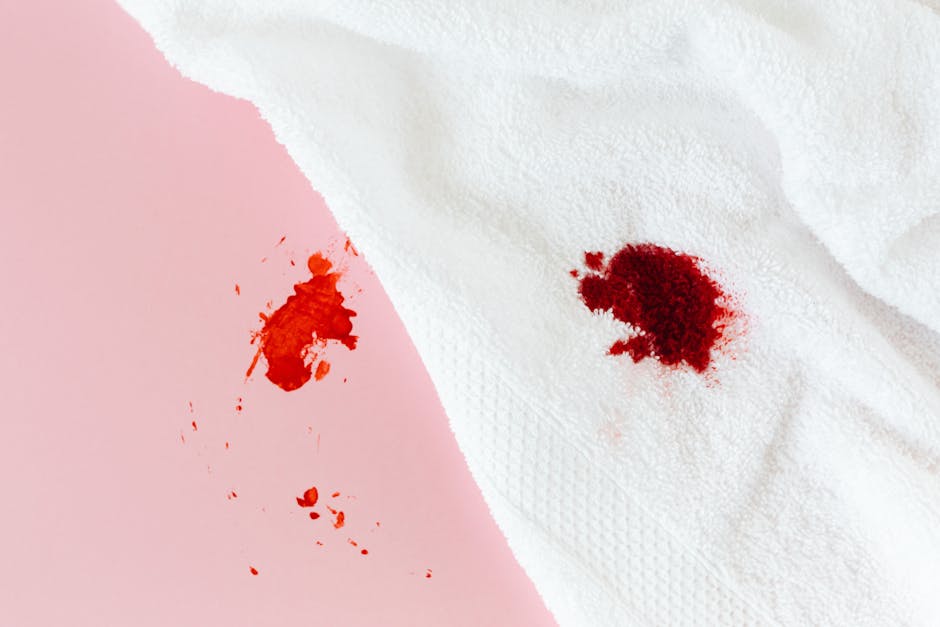
Red wine stain emergency services in Putney kitchens
Posted on 02/06/2026
Spilled red wine in a kitchen has a way of turning a normal evening into a small crisis. One minute you are topping up glasses, the next there is a dark splash spreading across grout, tile, laminate, or even a kitchen rug. If that sounds familiar, you are not alone. Red wine stain emergency services in Putney kitchens are designed for exactly this sort of urgent, messy situation: fast assessment, careful stain treatment, and a practical plan to stop the damage from settling in.
In a busy Putney home, a kitchen is often the heart of everything. Dinner prep, social drinks, homework, late-night tea, the lot. That means spills happen where surfaces are hardest to keep spotless. This guide explains what emergency stain response involves, how it works, what to do in the first few minutes, and when it makes sense to bring in professional support. You will also find a comparison table, a checklist, and a realistic example from a local-style kitchen scenario. Nothing fluffy. Just the useful bits.

Why Red wine stain emergency services in Putney kitchens Matters
Red wine is one of those stains that looks harmless for about ten seconds. Then it starts to oxidise, seep into texture, and set. On a kitchen floor, that can mean more than a cosmetic issue. A stain left too long may work into grout lines, timber finish, stone pores, or porous flooring joints. If the spill lands near a rug or soft furnishing, the liquid can travel further than you think. Quietly, too. Sneaky little thing.
Putney kitchens are not all the same. Some are compact flats near the river, some are family kitchens with laminate floors and busy foot traffic, and some are open-plan spaces where guests drift in and out during dinner. That variety matters because the best treatment depends on the material, the size of the spill, and how long it has been sitting there. A blanket approach can make things worse.
This is why fast response is useful. A proper emergency stain service does not just "scrub harder". It works out what the surface is, what the stain has done chemically, and how to lift it without damaging the finish. In a kitchen, that often also means checking for spread into skirting boards, seams, or under appliances.
If you are dealing with a spill after a dinner party, a house viewing, or a hectic weekday meal, the stress is often as much about the timing as the mess itself. You want it gone now. Fair enough. The key is to act quickly, but not recklessly.
How Red wine stain emergency services in Putney kitchens Works
Emergency stain services usually begin with identification and containment. That sounds formal, but it is really just a careful way of saying: find the spill, stop it spreading, then decide the safest treatment. Good cleaners look at the surface first. Tile behaves differently from sealed wood. Sealed surfaces respond differently again from unsealed grout or natural stone.
In practice, the process often looks like this:
- Assessment: the cleaner checks the stain size, age, material, and whether the spill has soaked in.
- Blotting and moisture control: excess liquid is removed without grinding it deeper into the surface.
- Targeted treatment: the right cleaning solution is selected for that material and stain type.
- Careful agitation or dwell time: the product is allowed to work, or gently worked in where appropriate.
- Extraction or wipe-down: the stain and residue are lifted away.
- Drying and inspection: the area is checked for shadows, marks, or spread into surrounding materials.
That process may sound simple, but the judgment call is the hard bit. For example, a kitchen floor stain on sealed tile may be straightforward, while a wine splash on porous grout can need more patience. If the liquid has reached a dining chair, the approach shifts again. You would not treat upholstery the same way you treat a worktop, obviously, though people do try. Usually right before making things sticky.
For broader domestic support, some households also combine urgent stain treatment with one-off cleaning in Putney or a more general deep cleaning service when the spill is part of a bigger post-event clean-up. That can be useful if the kitchen has had a rough night and needs more than spot treatment.
Key Benefits and Practical Advantages
The biggest benefit is obvious: you reduce the chance of a red wine stain becoming permanent. But there is more to it than that. A well-handled emergency response protects the finish of the kitchen, preserves hygiene, and saves you from trial-and-error cleaning that often costs more in the long run.
Here are the main practical advantages:
- Faster stain removal: the sooner treatment begins, the better the odds of a clean lift.
- Reduced surface damage: the right method avoids bleaching, scratching, or dull patches.
- Less spread: careful treatment limits seepage into grout, joints, and edges.
- Better finish retention: floors, worktop edges, and rugs keep their original look for longer.
- Peace of mind: if guests are still there, you do not need to spend the rest of the evening staring at the floor.
There is also a practical value in knowing when not to overdo it. Sometimes the best result comes from stopping after the stain is mostly lifted and letting a professional finish the job. A half-finished home fix can be surprisingly expensive if it damages sealant or discolours a floor.
Expert summary: red wine stain emergencies are less about harsh scrubbing and more about smart timing, material awareness, and controlled treatment. The right response protects both the stain and the kitchen surface beneath it.
If the spill happened during a dinner party near Putney High Street, or you are dealing with a post-event mess after one of the area's lively get-togethers, it may help to read more about the local social scene in best places for parties in Putney. The article itself is not about stain removal, but it does remind you how often these kitchen accidents happen after people have had a good night out and come back hungry.
Who This Is For and When It Makes Sense
This service makes sense for anyone who wants a quick, competent response to a red wine spill in a kitchen, but it is especially useful for a few groups.
- Busy households: families and flat-shares where the kitchen sees constant use.
- Hosts and entertainers: if you often have guests over, a spill at the table can reach the floor in seconds.
- Renters: a badly handled stain can create avoidable stress with landlords or inventory checks.
- Homeowners preparing to sell: presentation matters, especially in open-plan kitchens.
- New movers: if you have just taken possession of a place, you want to protect fresh surfaces early on.
There is a local angle here too. Putney has plenty of apartments and river-facing homes where kitchens are compact, modern, and finished with materials that show stains quickly. If you live in a flat near Putney Wharf, for example, a single splash on light flooring can stand out immediately under downlights. The same goes for older kitchens with more textured grout or wooden floors.
It also makes sense if the spill happened during a broader cleaning cycle and you are already planning a refresh, perhaps alongside spring cleaning in Putney or a standard domestic cleaning visit. In that case, emergency stain treatment can slot into a wider home care plan. Nice and tidy, if not exactly glamorous.
Step-by-Step Guidance
If you have just spilled red wine in the kitchen, here is the sequence that usually gives you the best chance of success. Keep calm. Honestly, the first two minutes matter more than people think.
- Stop the spread. Use a clean cloth or paper towel to blot the spill gently. Do not rub. Rubbing pushes pigment deeper.
- Remove nearby items. Move rugs, stools, tea towels, and anything else the liquid might reach.
- Check the surface. Is it tile, sealed wood, laminate, stone, or fabric? Different surface, different approach.
- Test a small area if using a product. Even mild solutions can affect finishes, especially on natural materials.
- Treat from the outside in. This helps prevent the stain from spreading outward.
- Lift residue fully. Leftover cleaner can leave a mark or attract dirt later.
- Dry thoroughly. Air dry where possible. On some surfaces, a dry cloth can help remove remaining moisture.
- Inspect in daylight. Kitchen lights can hide a faint shadow. Daylight tends to reveal the truth rather quickly.
If the spill is large, old, or on a delicate finish, stop before you do more harm than good. That is the point where a specialist approach becomes sensible. A rushed home remedy can leave a pale ring, a dull patch, or a sticky residue that seems harmless until the floor starts collecting dust like it is collecting rent.
For kitchens that are part of a larger property maintenance plan, it can help to read the services overview to see where stain response sits alongside other cleaning support. That way, you can decide whether the issue needs spot help or a fuller service.
Expert Tips for Better Results
There are a few small decisions that make a big difference. These are the things people often miss in the moment.
- Act fast, but gently: the goal is removal, not abrasion.
- Work with the surface: porous materials need more caution than sealed ones.
- Keep water use sensible: too much liquid can spread the stain, especially in joints or seams.
- Use clean cloths only: an already dirty cloth just transfers grime back into the area.
- Watch the edges: stains often creep under cabinet lips, kickboards, or appliance bases.
- Don't ignore odour or tackiness: residue can remain even when the stain looks lighter.
A small but useful tip: if the spill is on a hard floor, check the surface from a low angle with the kitchen lights off and daylight coming through. Faint wine shadows show up more clearly that way. It sounds fussy, but it saves a lot of missed patches.
And if the stain has reached anything soft, such as a dining chair or seat pad, it may be worth pairing the kitchen response with upholstery cleaning in Putney. Wine behaves differently in fabric than it does on a sealed counter edge. Different battleground, basically.

Common Mistakes to Avoid
Most wine-stain damage comes from well-meant panic, not from the wine itself. A few classic mistakes keep showing up.
- Scrubbing hard: this is the big one. It can drive pigment deeper and roughen the finish.
- Using random chemicals: mixing products is risky and may damage surfaces.
- Leaving the spill "for later": wine does not wait politely.
- Applying heat too early: heat can set some stains or affect adhesives and sealants.
- Ignoring the sub-surface: what looks clean on top may still have residue below.
- Assuming one method suits all: that is how dull patches happen.
Another mistake is forgetting to check the room context. In a kitchen near a hallway or dining space, a spill may travel on shoes or a mop and end up in another area. If you have a bigger home-cleaning issue, especially in a busy property, services like house cleaning in Putney can be a sensible follow-up after the emergency is handled.
Truth be told, half the battle is resisting the urge to overreact. Which is easier said than done when the stain is bright, obvious, and looking rather smug.
Tools, Resources and Recommendations
You do not need a complicated kit for a first response. In fact, fewer tools used properly are better than lots of products used badly.
| Item | Best Use | Why It Helps |
|---|---|---|
| Clean white cloths | Blotting and lifting liquid | Shows transfer clearly and avoids dye transfer |
| Paper towels | Initial spill control | Useful for quick absorption before treatment |
| Mild cleaning solution | Light residue on tolerant surfaces | Can help when used carefully and tested first |
| Soft sponge | Gentle surface treatment | Reduces the risk of scratching |
| Dry microfibre cloth | Final moisture removal | Leaves less lint and helps finish the job neatly |
For readers who prefer a broader property-care approach, the carpet cleaning in Putney page can be useful if the spill has crossed from kitchen flooring into adjacent carpeted areas. Likewise, if you are dealing with a larger post-event clean after guests have gone home, the request a quote page is the natural next step.
As a recommendation, keep one small "spill response" kit in the kitchen. Nothing fancy. Just a few cloths, a safe cleaning cloth, and enough organisation that you are not opening three cupboards while the wine continues to spread. Happens more often than people admit.
Law, Compliance, Standards, or Best Practice
For most households, red wine stain removal is not a legal or regulated activity in itself. But there are still sensible standards to follow, especially when a professional cleaner is involved. A trustworthy provider should use cleaning methods that are appropriate to the surface, handle chemicals carefully, and take reasonable steps to avoid property damage. In the UK, that usually means working to common safety expectations, using products responsibly, and keeping the customer informed if a surface is fragile or already compromised.
It is also normal best practice for cleaning businesses to have clear terms, complaints handling, health and safety guidance, and insurance information available. Those details matter because emergency cleaning sometimes involves awkward surfaces, older finishes, or shared-access homes where care is essential. If you want to understand a provider's approach, pages such as health and safety policy, insurance and safety, and terms and conditions are worth checking.
In blocks of flats or managed buildings, especially around Putney Wharf or similar developments, it is also sensible to consider access arrangements, noise, and the timing of any cleaning visit. A quick response is useful, but so is respecting the building environment. Common sense, really, though it is amazing how often common sense arrives late.
Options, Methods, or Comparison Table
Different situations call for different approaches. Here is a straightforward comparison of the most common options.
| Method | Best For | Pros | Cons |
|---|---|---|---|
| Immediate blotting at home | Fresh, small spills on forgiving surfaces | Fast, cheap, can prevent setting | Limited if the stain has already soaked in |
| Mild targeted stain treatment | Light marks on sealed surfaces | More controlled than guesswork | Still risky if the surface is delicate |
| Professional emergency stain service | Older, larger, or uncertain spills | Better material matching, less damage risk | Costs more than a DIY attempt |
| Full kitchen or domestic clean | Spill plus wider mess | Resets the room properly | More time and a bigger job overall |
If you are deciding between a quick fix and a fuller service, think about three things: how old the stain is, what surface it is on, and whether the kitchen already has other cleaning issues. A single red wine spill on a tiled floor is one thing. A spill plus sticky residue, food debris, and footprint marks is another matter altogether.
For readers who are already planning a broader refresh, one-off cleaning in Putney can be the better fit. If the issue is isolated and urgent, a targeted emergency response is often the smarter choice.
Case Study or Real-World Example
Imagine a Friday night in a Putney kitchen just after 8 pm. Dinner is over, people are chatting, and someone nudges a glass near the edge of the table. The wine spills across the floor, then toward the toe-kick of the units. Not dramatic in movie terms, but very annoying in real life.
The first response is plain and sensible: blot the spill, move the chair, and stop anyone from walking through the area. The floor is a sealed laminate, so the immediate risk is staining around the joints rather than deep absorption. A gentle treatment removes most of the visible mark, but a faint shadow remains where the wine settled near the edge of the plinth. That is usually the point where careful follow-up matters more than enthusiasm.
A professional cleaner would likely inspect the finish, test a small point, and then use a controlled method to lift the remaining stain without dulling the laminate. If the spill had also reached a fabric dining chair, that would need a separate treatment. Different tools, different timing, different result.
The useful lesson here is simple: the room may look "fine enough" after a quick wipe, but faint residue often shows up the next morning in daylight. A good emergency service helps you catch that before it becomes a permanent visual annoyance. And yes, those tiny shadows can bother you more than the original spill. Human nature, really.
Practical Checklist
Use this checklist when a red wine spill happens in a Putney kitchen.
- Blot the spill immediately with a clean cloth.
- Keep people and pets away from the area.
- Check what material the stain is on.
- Remove any nearby fabric, mats, or items that could absorb the liquid.
- Use only a suitable, tested cleaning method.
- Do not scrub aggressively.
- Inspect edges, joints, and under-unit areas.
- Dry the area fully.
- Recheck the stain in daylight.
- Escalate to a professional if the mark remains, spreads, or affects delicate surfaces.
If the stain has become part of a broader clean-up, or if you are managing a busy household where mess never seems to come alone, it may be sensible to review the full services overview before deciding on next steps.
Get a free quote today and see how much you can save.
Conclusion
Red wine stains in kitchens are frustrating because they feel urgent, visible, and a bit personal. They land in the middle of your home life, right where you cook, gather, and clean up every day. The good news is that a fast, thoughtful response usually gives you a far better result than panic does. Blot first. Protect the surface. Match the method to the material. And if the spill is awkward, old, or on a delicate finish, let a specialist take it from there.
For Putney homes, especially busy flats and family kitchens where daily life has a habit of being lively, emergency stain services can be the difference between a temporary mishap and a lasting mark. That is really the heart of it. A calm response, a careful clean, and a kitchen that feels like yours again.
If you want a local team to take a proper look, start with our contact page or request a tailored estimate through the quote form. For more about the local area and home care, you may also enjoy Putney insights from a resident and a guide to Putney's suburbs. Small details, but they help you feel at home.