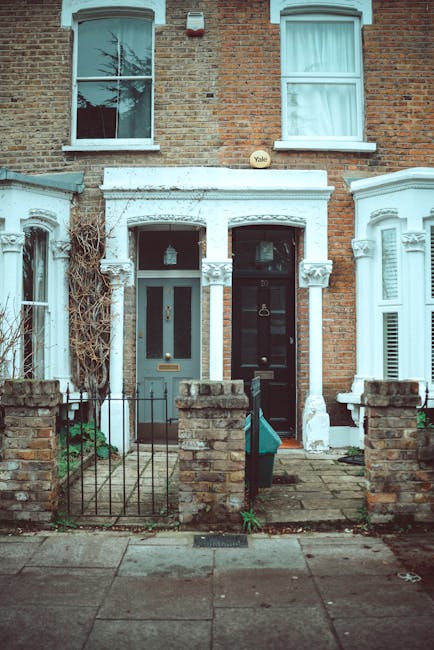
Wandsworth Council rules for Putney house clearances
Posted on 10/06/2026

Wandsworth Council rules for Putney house clearances: a practical local guide
If you are planning a house clearance in Putney, the rules can feel a bit fiddly at first glance. One moment you are sorting furniture, the next you are wondering about waste carriers, fly-tipping, permits, or whether that old mattress can just be left outside. The reality is simpler than people fear, but only if you know how Wandsworth Council rules for Putney house clearances are meant to work.
This guide breaks it down in plain English. You will find what usually matters most, what the council expects, where people commonly go wrong, and how to keep the process tidy, lawful, and surprisingly manageable. Whether you are clearing a flat near Putney High Street, handling a probate clearance, or just trying to empty a house before cleaning it up, this is the kind of practical overview that saves time and headaches. And yes, a bit of patience helps. A lot.
Why Wandsworth Council rules for Putney house clearances matters
House clearance is not just about making a property look empty. In Putney, the way items are removed, stored, and disposed of can affect neighbours, pavements, shared entrances, parking, and your legal responsibility for the waste. If a clearance is done badly, the mess is often what people notice first: bags on the kerb, broken furniture near a communal doorway, or a skip left half-blocking the street on a damp Tuesday morning. Not ideal.
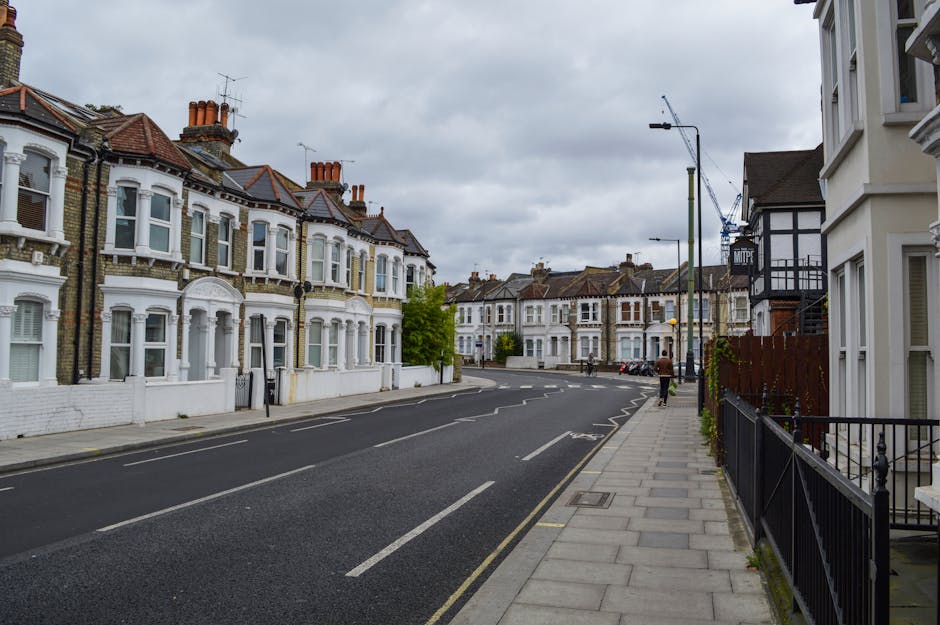
The council angle matters because waste is regulated. Even for a straightforward domestic clearance, there are practical rules around how waste should be handled, who can take it away, and what happens if items are left in the wrong place. Putney has plenty of terraced homes, mansion blocks, maisonettes, and apartments, so access can be awkward. That makes planning more than a nice extra. It is the difference between a smooth job and a stressful one.
There is another reason too. A proper clearance helps protect the rest of the property. If a room has been sitting closed up for weeks, or there are damp smells, pet odours, or dust everywhere, you may want to pair the clearance with deep cleaning support in Putney or a more focused end of tenancy cleaning service once the large items are out. The clear-out creates the space; the clean makes it usable again.
Practical takeaway: the council rules are less about paperwork for the sake of it and more about preventing nuisance, illegal dumping, and avoidable fines. If you keep the waste trail clear, you are already halfway there.
How Wandsworth Council rules for Putney house clearances works
The basic process is straightforward. First, identify what needs removing. Then decide whether the waste can go to household recycling, a council service, or a licensed clearance provider. After that, make sure anything taken away is handled properly and not simply dropped elsewhere. That last part is crucial. Waste remains your responsibility until it is transferred to someone authorised to deal with it.
In practical terms, a Putney house clearance usually falls into one of three situations:
- Small domestic clear-outs, such as removing a few bags, broken chairs, old bedding, or boxed clutter.
- Partial clearances, where one room, loft, garage, or storage area needs emptying.
- Full-property clearances, often linked to moving home, probate, renovation, or the end of a tenancy.
The council's main concern is how the waste leaves the property and where it ends up. If you are hiring a clearance team, ask how they manage loading, sorting, and disposal. A responsible provider should be able to explain whether items are reused, recycled, donated where suitable, or taken to lawful disposal facilities. If someone gets vague at this stage, that is a small red flag. A proper one, not the dramatic sort.
Access also matters in Putney. Flats near the river, maisonettes with narrow stairwells, and homes on busier roads can all need different handling. A good clearance plan should factor in parking, lift access, carrying distances, and the time of day. If a property is tight on access, it can be worth checking related local guidance such as cleaning apartments on Putney Wharf or tips for flat owners on Lower Richmond Road, because the same access issues often show up during clearances too.
One small but useful point: do not assume council rules and contractor rules are identical. The council may control streets, bins, and nuisance issues, while a clearance company will have its own operating methods and safety procedures. Both matter. You need the job to work in the street and inside the property. Simple enough in theory, but not always in real life.
Key benefits and practical advantages
Getting the process right does more than avoid trouble. It actually makes the whole clearance less exhausting. Here are the biggest benefits people notice.
- Cleaner handover: Whether you are selling, letting, or renovating, an organised clearance makes the property feel under control.
- Lower risk of disputes: Tenants, landlords, executors, and relatives are less likely to argue when the process is documented and sensible.
- Better reuse and recycling: Sorting items early often means fewer things end up as general waste.
- Reduced physical strain: Heavy lifting sounds heroic until your back reminds you otherwise.
- Less chance of council issues: Proper disposal reduces nuisance complaints, blocked access, and the risk of fly-tipping problems.
There is also a less obvious benefit: a proper clearance gives you a clean slate for the next stage. If you are repainting, replacing flooring, or preparing a room for guests, the space becomes easier to manage once the clutter is gone. That matters for landlords and homeowners alike. It is why many people pair a clearance with house cleaning in Putney or other services overview options once the property has been emptied.
In our experience, people often underestimate the emotional side too. Clearing a family house, even a modest one, can feel oddly heavy. Having a neat, lawful process can make the whole job feel less chaotic. Not painless. Just less chaotic, which is something.
Who this is for and when it makes sense
This guide is useful if you are any of the following:
- a homeowner preparing to move or renovate
- a landlord clearing a property between tenancies
- an executor managing a probate clearance
- a tenant who needs to leave a property in decent condition
- a family member helping an older relative downsize
- someone who has inherited furniture, clutter, or mixed household items and needs them removed responsibly
It also makes sense if the property includes a lot of soft furnishings, old carpets, mattresses, or items that have been stored in a damp room for too long. That sort of material can hold smells and dust, and once removed, it is often wise to follow up with carpet cleaning in Putney or upholstery cleaning so the place does not keep that stale, closed-up feel.
If you are dealing with a more active move-out, the same logic applies. A clearance and a final clean often work best as a pair. People sometimes try to do everything in one exhausting weekend and end up with dust in one room, boxes in another, and a takeaway coffee going cold on the windowsill. We have all seen that film.
For Putney residents planning around local house moves or purchase dates, a little background reading can also help. The article on Putney property purchase planning is handy if the clearance is linked to a sale or completion, while property deals in Putney can give context for why homes are often turned over quickly in this area.
Step-by-step guidance
Here is the practical process I would recommend for most Putney house clearances.
- Walk through the property room by room. Make three simple groups: keep, remove, and unsure. Do not overthink every item at this stage.
- Separate hazardous or special items. Paint, chemicals, gas canisters, asbestos suspicion, batteries, and broken electricals need extra care. If anything feels questionable, stop and check before moving it.
- Check building access. Stairs, lifts, parking, loading times, and neighbour access all matter. For flats, shared entrances can create delays if you have not planned properly.
- Decide what can be reused. Good-condition furniture, books, kitchenware, and textiles may be suitable for donation or resale, depending on condition.
- Choose how to remove the waste. That may mean council disposal, a licensed clearance provider, or a mixed approach. If the clearance is substantial, a professional team is usually easier.
- Keep evidence of what was removed. Photos, notes, receipts, or job confirmations can be useful for landlords, executors, and family members.
- Follow up with cleaning. Empty rooms often need a proper sweep, dust removal, and stain treatment. If smells, pet mess, or spill damage are involved, do not wait too long.
A useful habit is to work from the least sentimental area first. Loft first, maybe. Or the shed. Once you have momentum, the rest feels less overwhelming. And if you are clearing a home after years of living there, build in a little time for surprises. There is always one drawer full of cables nobody recognises, isn't there?
If the property is a rented one, it can help to read up on end-of-tenancy expectations too. Our end of tenancy cleaning Putney page explains the kind of finish landlords and agents tend to expect once bulky items have gone.
Expert tips for better results
These are the little details that often make the biggest difference.
- Label as you go. Even simple masking tape labels on boxes save time later.
- Keep one "decision" pile only. Too many half-sorted piles create confusion.
- Clear walkways first. Safe movement beats clever stacking every time.
- Handle soft furnishings early. Sofas, mattresses, rugs, and curtains tend to trap dust and odours.
- Think about sequence. Remove furniture before deep cleaning; clear clutter before carpet treatment; empty kitchens before any stain or grease work.
- Ask about insurance and safety. Any clearance provider should be able to explain how they approach lifting, transport, and site safety.
A small but genuinely helpful trick: photograph each room before and after. It sounds obvious, but when you are managing a family property or a tenancy return, it gives you a clear record. No drama, no guessing.
And if the property has been lived in heavily, a full clearance can reveal things you might not spot at first, like staining under furniture, pet odours in the carpet, or mould along an old window wall. In that case, it is worth looking at pet urine odour removal in Putney carpets or mould remediation for Putney Embankment flats so you are not dealing with the aftermath twice.
Common mistakes to avoid
House clearances go wrong in predictable ways. The good news is that most of them are avoidable.
- Leaving waste on the pavement. This can create nuisance issues and may be treated as fly-tipping or improper disposal depending on the circumstances.
- Hiring the cheapest option without checking disposal standards. Low price is lovely until the waste comes back to bite you.
- Forgetting about parking and access. A van may be ready, but the street may not be.
- Mixing up hazardous and general waste. That is a safety problem, not just a sorting issue.
- Assuming the property is clean once it is empty. Empty does not mean ready.
- Not confirming who is responsible. In shared homes or probate situations, responsibility can get muddy fast.
There is one more mistake that people do not talk about much: trying to clear sentimental items in a hurry. If you can, take a pause before deciding on photographs, letters, or family keepsakes. Those items are small, but they tend to carry the most weight. Literally and emotionally, sometimes both.
Tools, resources and recommendations
You do not need fancy equipment for a basic clearance, but the right tools make the job safer and less messy.
- Heavy-duty gloves for broken edges, dust, and rough materials
- Strong sacks and boxes for separating waste categories
- Labels and marker pens for keep/remove piles
- Furniture sliders or trolleys for easier movement in tight spaces
- Protective masks if the property is dusty, musty, or has not been aired for a while
- Basic cleaning supplies for the final sweep after the clearance
If the job becomes more than a simple clear-out, you may also want related services afterwards. A property that has been full of storage for years often benefits from one-off cleaning in Putney or a broader domestic cleaning service. For commercial spaces or mixed-use properties, office cleaning in Putney may be more appropriate.
For local readers wanting more Putney context, the wider blog can also help. A guide to Putney as a London suburb gives a sense of the area, while Putney insights from a resident is useful if you are new to the neighbourhood and trying to understand how local living patterns affect property turnover.
Law, compliance, standards, or best practice
When people ask about Wandsworth Council rules for Putney house clearances, they are usually really asking two questions: what is allowed, and what is sensible. Those are not always identical, which is where problems begin.
In plain terms, you should treat household waste responsibly, use lawful disposal routes, and avoid leaving items in shared or public spaces unless you are sure it is permitted. A licensed waste carrier should be able to deal with the waste lawfully and provide appropriate paperwork or confirmation. That matters because if your waste is dumped somewhere else, there can be consequences for the person who arranged the removal.
Best practice usually includes the following:
- sorting reusable items away from general waste
- keeping hazardous materials separate
- using a provider with proper insurance and waste handling procedures
- avoiding obstruction of pavements, shared hallways, and access routes
- making sure the property is left in a safe condition after removal
There may also be practical building rules if you live in a managed block, leasehold property, or apartment with concierge restrictions. That is not exactly the council, but it still affects how clearances work on the day. In real life, these layers overlap. You need to satisfy the street, the building, and the legal side at once. Charming, in a very British way.
If you care about safety and professionalism, it is sensible to review a provider's insurance and safety information and its health and safety policy before booking anything major. If something goes wrong during lifting or transport, those details stop being boring very quickly.
Options, methods, or comparison table
Different clearance methods suit different properties. There is no single "best" option, just the right one for your situation.
| Method | Best for | Pros | Watch-outs |
|---|---|---|---|
| Council-led or council-supported disposal | Smaller volumes of household waste | Can be practical for straightforward items | May require booking, separation rules, or specific collection conditions |
| Licensed house clearance provider | Full clearances, probate, tight deadlines, large furniture | Less physical strain, faster, more structured | Quality varies, so disposal standards must be checked |
| DIY removal | Very small jobs and confident households | Direct control over sorting and timing | Heavy lifting, access issues, vehicle needs, and disposal responsibility |
| Mixed approach | Most real-world Putney clearances | Flexible and cost-aware | Needs planning so items do not get re-sorted three times |
For many Putney homes, a mixed approach is the most sensible. Keep the truly personal or valuable things, donate what can be reused, and hire help for the bulky or awkward stuff. That usually gives the best balance of cost, effort, and peace of mind.
Case study or real-world example
Here is a typical local scenario. A family in Putney needs to clear a two-bedroom flat after a relative moves into care. The flat is on an upper floor, the building has a narrow staircase, and there is a mix of furniture, books, kitchen items, and stored household clutter. Nothing dramatic, but there is a lot of it.
They start by dividing items into keep, donate, recycle, and remove. The executor keeps documents and sentimental belongings aside. A licensed clearance team handles the bulky furniture and mixed waste, while the family arranges follow-up cleaning once the flat is empty. The carpets show old marks beneath a sofa and there is a faint closed-room smell, so the final touch is a deep clean rather than just a quick vacuum.
The result? The flat is cleared without hallway clutter, the building manager is happy, and the family has a proper record of what was removed. Best of all, they did not have to make panic decisions on a deadline. That part alone is worth a lot.
This kind of job often overlaps with property preparation, too. If a sale is involved, the broader Putney property material such as the Putney property purchase guide and Putney property deals can help you understand why presentation and timing matter so much locally.
Practical checklist
Use this checklist before the clearance begins.
- Confirm what is being cleared and what must stay
- Separate valuables, documents, and sentimental items early
- Check whether any items need special handling
- Review access, parking, and building restrictions
- Decide whether you need a licensed clearance provider
- Ask how waste will be sorted, reused, recycled, or disposed of
- Keep photos or notes for your records
- Plan a cleaning stage after the clearance
- Check insurance and safety information if hiring help
- Leave paths, entrances, and communal areas clear
If you are dealing with stains, odours, or old damage after the removal, it can help to tackle those separately. For example, red wine stain emergency services in Putney kitchens is a reminder that old spills can lurk under furniture for years, and removal sometimes reveals them at the worst possible moment. Happens more than you'd think.
Get a free quote today and see how much you can save.
Conclusion
Wandsworth Council rules for Putney house clearances are really about doing things properly: keeping waste lawful, protecting access, and avoiding a messy aftermath. Once you understand the basics, the process becomes much easier to handle. The key is planning, sorting, and choosing the right disposal route for the size and condition of the job.
For small clear-outs, a careful DIY approach may be enough. For larger homes, probate situations, or properties with bulky furniture and tight access, professional help is often the calmer choice. Either way, the goal is the same: a safe, tidy, respectful clearance that leaves the property ready for what comes next.
And if the whole thing feels a bit much, that is normal. Clearing a home is practical work, yes, but it is also life work. Take it one room at a time. That is usually how the best results happen.